





Grottaglie
Grottaglie is one of those places that almost never makes the top lists of “things to see in Puglia.” And perhaps that’s precisely its beauty. Because when you arrive without too many expectations, it surprises you. And when you leave, you realize it’s one of those places that captures the truest Puglia, far from the perfect postcards but full of character.
We’re in the province of Taranto, in the hinterland, a few kilometers from the sea. Grottaglie isn’t a hit-and-run tourist destination: it’s a city to explore at your leisure, letting yourself be guided by the colors, the shops, and the chance encounters.

The Ceramics District: the beating heart of Grottaglie
The true soul of Grottaglie is the Ceramics District, and it’s also the reason it’s worth coming here. It’s a unique place in Italy: an entire neighborhood carved into the rock, where clay has been worked for centuries.
Strolling through the neighborhood’s narrow streets, you’ll find yourself surrounded by artisan workshops, ancient kilns, and open-air workshops. Here, ceramics aren’t just souvenirs: they’re tradition, daily labor, and culture. You can enter, watch the artisans at work, chat with them, and understand how a plate, a vase, or a tile is created.
It’s one of those places where you want to slow down, observe, and ask questions. And perhaps take home a unique piece that tells a story.
The historic center is a maze of alleys, stairways, arches, and small squares. Wandering aimlessly, you might come across a church, an ancient building, or a sweeping view of the Apulian countryside. It’s the kind of place where it’s best to get lost, rather than follow a specific itinerary.

Episcopio Castle
One of the places that truly remains in your memory in Grottaglie is Episcopio Castle. Not so much for its grandeur, but for its location and the atmosphere you breathe once you get there. The castle dominates the historic center from above and seems to calmly observe the city, as if it had always been there as a landmark.
The Episcopio Castle has ancient origins and has been the heart of the city’s religious power for centuries. Today, it is a vibrant space, far from dusty. It often hosts temporary exhibitions, cultural events, and initiatives related to art and craftsmanship, making it a place in constant dialogue with the city.
The Ceramics Museum is also located here, an interesting stop to understand how deeply this tradition is tied to Grottaglie’s identity. Even without an expert, visiting it helps make sense of what you saw while strolling through the Ceramics District: not just objects, but a history of hands, work, and memory.
Getting there is already part of the experience: you slowly climb through narrow streets and increasingly open views, until the space opens up and your gaze stretches far into the distance. From here, the view of the Murgia and the surrounding countryside is expansive, bright, and almost relaxing. Fields, olive groves, rooftops, and sky blend together in a panorama that changes color with the hours of the day. It’s one of those places where you naturally stop, lean against a wall, and linger for a few minutes in silence.

What to do in Grottaglie
Grottaglie isn’t a checklist city. The best things to do are simple:
- stroll through the Ceramics District
- enter the shops, even without buying anything
- drink a coffee in the historic center
- stop and talk to the locals
- observe the details: doors, balconies, courtyards
It’s also a perfect destination for a half-day, perhaps breaking up a longer itinerary.

How to get to Grottaglie
Grottaglie is connected by train, but to truly experience the area, the advice remains the same: have a car. Renting a car or hiring a private transfer is the most convenient solution, especially if you also want to visit the sea, Salento, or other nearby villages.
Grottaglie fits perfectly into a Puglia itinerary, especially if you have several days available. It can be an ideal stop between Taranto, the Ionian coast, and the hinterland, or an original addition to a more traditional trip.
We suggest taking inspiration from one of the suggested itineraries based on the days available, adapting it to your pace and interests. Grottaglie is one of those places that enriches a trip, even if you’re only staying a few hours.
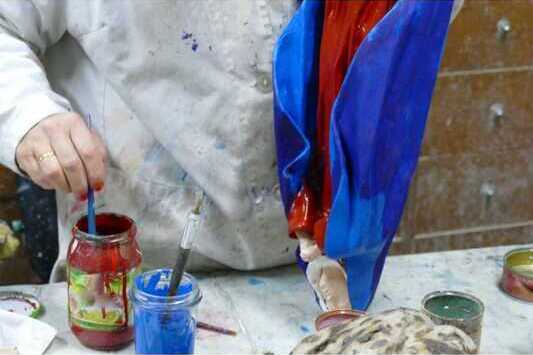
Salento craftsmanship
Salento boasts an artisanal production that contains the knowledge of the "masters" of the past. Terracotta, papier-mâché, Leccese stone, wrought iron, ceramics are just some of the artisan traditions that have managed to preserve their fundamental traits.
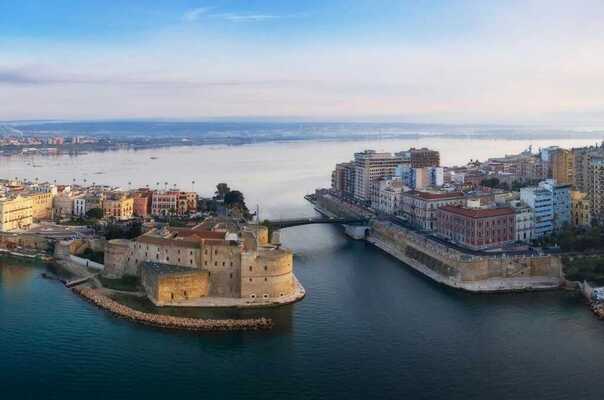
Taranto
Taranto is a city that fascinates and surprises everyone who visits. Located on the Ionian coast of Puglia, in southern Italy, it is known as the “city of two seas” because it extends between the Mar Grande and Mar Piccolo, offering breathtaking views and a unique historical and cultural heritage. Founded in 706 BC as […]
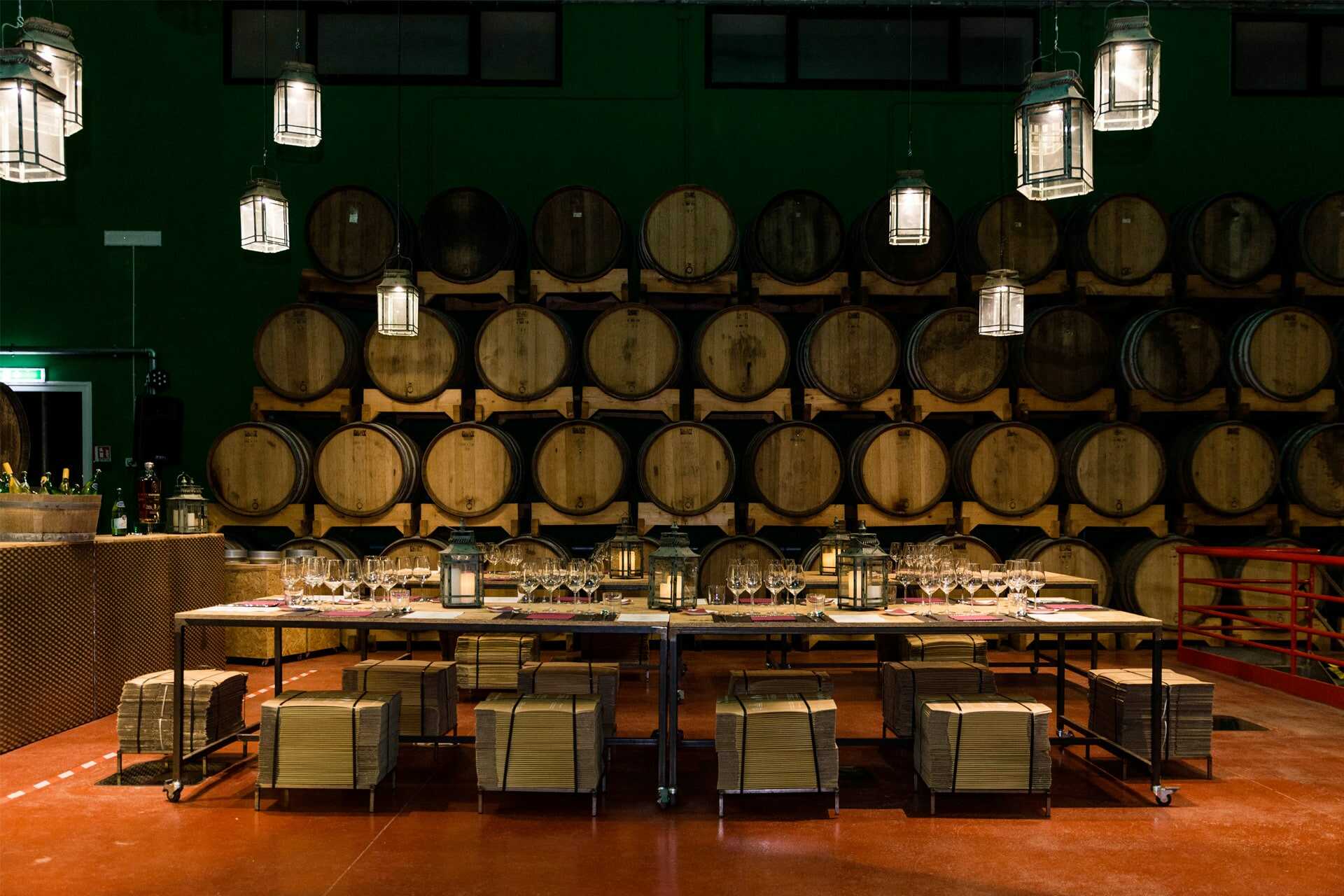
Wine Tour Puglia
Wine has always been important for Puglia and it has characterized, together with olive oil, the culture and tradition of the region. Puglia’s wine production is, in fact, among the most important in Italy in quantitative terms and this represents a notable step forward compared to the past. In fact, for years, this was shipped […]
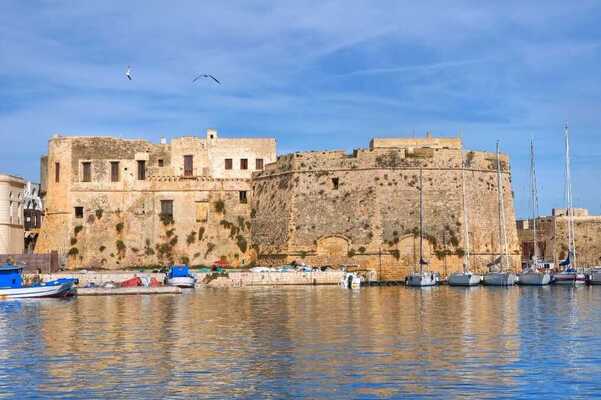
Castles in Salento
There are more than a hundred castles and palaces still in excellent condition scattered throughout Salento and some of these are true artistic heritages of enormous historical value. Scattered across the provinces of Lecce, Taranto and Brindisi, these castles are evidence of past colonizations and the fortification necessary for the defense of the most noble families.
The 10 things to do in Salento
Are you planning your next holidays in Salento? Here are the 10 things to do during your stay in this peninsula jutting out into the Mediterranean.
Festivals in Puglia: the most important events
The best way to learn about the traditions and culture of a place is through festivals: in Puglia these take place all year round, allowing both locals to rediscover their roots and tourists to taste typical products and traditional dishes venue in a cheerful and carefree context, suitable for making friends and spending a pleasant evening enlivened by music and folklore.