





Taranto
Taranto is a city that fascinates and surprises everyone who visits. Located on the Ionian coast of Puglia, in southern Italy, it is known as the “city of two seas” because it extends between the Mar Grande and Mar Piccolo, offering breathtaking views and a unique historical and cultural heritage.
Founded in 706 BC as a Spartan colony, Taranto has a millennia-long history that has seen it through the Greek, Roman, Byzantine, and Aragonese eras. Today, the city is a fascinating destination for lovers of history, art, the sea, and gastronomy.

Historical notes
Taranto, formerly called Taras by the Greeks, was the only colony founded by Sparta outside the borders of their motherland. This origin made it, as early as the 7th century BC, one of the most important and influential cities in the Greco-Italic world.
Its strategic position on the Ionian Sea favored commercial and cultural development. Taranto became a center of philosophy, sports, and art, also famous for its Pythagorean school and the production of fine ceramics. The city was involved in many of the great dynamics of the ancient world, including confrontations and alliances with Rome, until it became part of the Roman Empire.
Walking through Taranto today, one can sense this millennia-old past: every alley, square, and monument tells a part of the story of a civilization that shaped the Mediterranean.
The “City between the Two Seas”
One of Taranto’s most spectacular features is its unique geography. The city sits on an isthmus that divides two vast marine inlets:
- Mar Grande: the most open and wide part, connected to the open sea.
- Mar Piccolo: a more secluded inland basin, rich in biodiversity and fishing traditions.
This dual marine soul is not only a natural spectacle, but has influenced the life, economy, and culture of the city for centuries. Strolling along the two seas is an experience that combines spectacular views, the scent of the sea air, and a slow pace that invites contemplation.

What to see in Taranto
Visiting Taranto means immersing yourself in a city that reveals its history step by step. The ideal starting point is the Borgo Antico, the most authentic heart of the city, a maze of alleys, small squares, and glimpses of the sea where time seems to pass more slowly.
A few steps from the historic center is one of the city’s symbols, the Aragonese Castle, which dominates the navigable canal between the Mar Grande and Mar Piccolo. Its imposing structure recounts centuries of defense, conquests, and transformations, also offering splendid panoramic views of the sea and the port. Right next to it is the famous Swing Bridge, which connects the old town to the more modern part of Taranto: witnessing its opening is a fascinating spectacle that underscores the profound connection between the city and the sea.
Another unmissable stop is the National Archaeological Museum of Taranto (MArTA), one of the most important in Italy. Here, you can truly understand Taranto’s importance in the history of Magna Graecia, thanks to extraordinary collections of archaeological finds, ceramics, statues, and above all the famous Gold of Taranto, a testament to the high artistic level achieved in ancient times.
Walking through the city, you’ll also encounter traces of Greek Taranto, such as the remains of the Temple of Poseidon, which emerge almost suddenly from the urban fabric, a reminder of how history is an integral part of daily life. Religiously and architecturally, the city offers an interesting contrast between the Cathedral of San Cataldo, in the heart of the old town, and the modern Gran Madre di Dio Co-Cathedral, a symbol of contemporary Taranto.
Finally, a stroll along the seafront allows you to appreciate the city’s natural beauty, especially at sunset, when the sky reflects on the waters of the two seas and Taranto reveals its most evocative and romantic side.

Typical Taranto cuisine
Cuisine also plays a fundamental role in the city’s cultural heritage, deeply connected to the sea and the surrounding territory. The Mar Piccolo, in particular, is famous for the cultivation of Taranto mussels, considered a local delicacy and the protagonists of many traditional recipes, often simply prepared to enhance their authentic flavor. Alongside seafood, Taranto’s cuisine offers fresh fish dishes cooked according to a simple tradition, based on a few genuine ingredients such as extra virgin olive oil, tomatoes, and aromatic herbs.
Alongside seafood, a strong rural tradition survives, with dishes based on fresh pasta, seasonal vegetables, and legumes. Orecchiette, Apulian focaccia, and home-made dishes reflect a cuisine simple yet rich in flavor, tied to the rhythms of daily life. Completing the gastronomic experience are local wines, such as Primitivo di Manduria, which perfectly complement the local flavors and enhance a journey that also includes the table.

Events and Traditions
Throughout the year, Taranto comes alive with events that reflect the city’s deepest identity, uniting faith, tradition, and culture. Among the most heartfelt moments are undoubtedly the Holy Week rites, among the most evocative and intense in Southern Italy: the processions of the Perdoni and the Addolorata slowly wind through the streets of the old city, creating an atmosphere charged with emotion and spirituality that engages residents and visitors. Alongside religious traditions, Taranto also hosts cultural and musical events, such as summer festivals, theater festivals, and maritime events, which enliven the waterfront and squares during the warmer months. There is no shortage of events dedicated to food and wine and the promotion of local products, ideal opportunities to discover flavors, music, and popular traditions, experiencing the city in an authentic and participatory way.
Taranto, port of departure: the value of cruises for tourism
In recent years, Taranto has assumed an increasingly central role in the Mediterranean cruise landscape, becoming the departure port for several cruises. This represents a huge advantage for local tourism, as it allows travelers to begin their vacation directly from the city, without the need to travel to more distant and congested ports like Naples or Civitavecchia. The presence of a cruise homeport also brings tangible benefits to the region, encouraging visitors who choose to spend several days in Taranto before or after their cruise, discovering the historic center, beaches, and culinary excellence. Furthermore, cruises contribute to strengthening Taranto’s image as a strategic tourist destination on the Ionian Sea, capable of welcoming international visitors and serving as a privileged access point to Puglia and Magna Graecia. This new centrality of the port represents a significant opportunity for the city’s economic and tourism development, increasingly positioning it on the major Mediterranean tourism itineraries.

How to get to Taranto
Taranto is easily accessible from many parts of Italy, and it’s worth planning your trip carefully to fully enjoy the city and its surroundings.
Taranto‘s train station is connected to major Italian cities: regional and long-distance trains connect the city with Bari, Lecce, Brindisi, and Rome, with connections on many national routes. Trains are a convenient and sustainable option, perfect for those who want to get directly to the heart of the city without worrying about traffic or parking.
If arriving by plane, the closest airports are:
- Brindisi “Papola-Casale” Airport (BDS)
- Bari “Karol Wojtyła” Airport (BRI)
From both airports, you can take a train to Taranto. Or, if you prefer more freedom to explore the surrounding area, renting a car directly at the airport is recommended. This allows you to reach Taranto without having to first go to the station and, more importantly, to easily visit nearby places that aren’t easily accessible by public transportation.
With a car, you can explore:
- The Magna Graecia areas and the surrounding archaeological sites.
- Charming Apulian villages like Manduria, famous for its Primitivo wine.
- Martina Franca, with its baroque historic center and local wineries.
- The inland countryside, with farmhouses, trattorias, and food and wine tours.
All that’s left to do is book your trip!
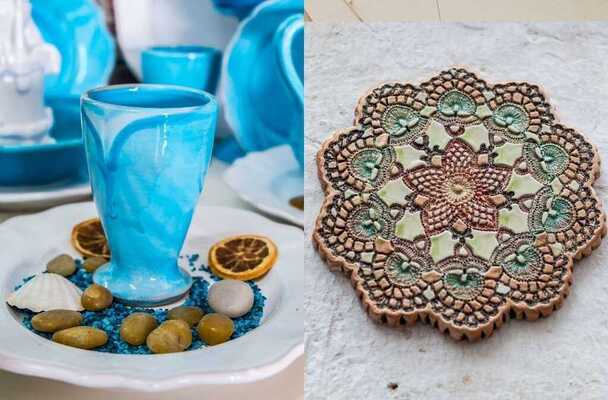
Grottaglie
Grottaglie is one of those places that almost never makes the top lists of “things to see in Puglia.” And perhaps that’s precisely its beauty. Because when you arrive without too many expectations, it surprises you. And when you leave, you realize it’s one of those places that captures the truest Puglia, far from the […]
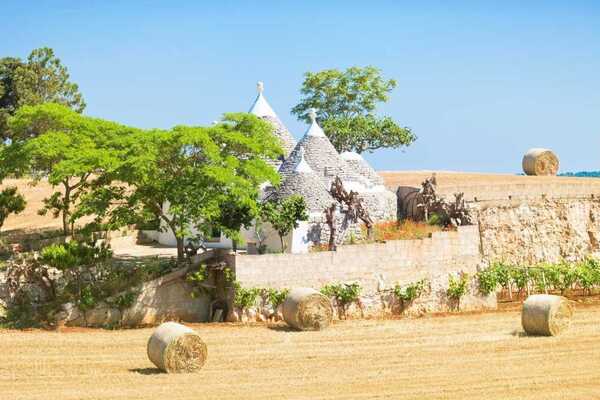
What to visit in Puglia in low season
Puglia is a region to be discovered not only in summer! Towns, villages and cities have so much to offer in all seasons, including unmissable events and relaxing stays in luxurious farms.
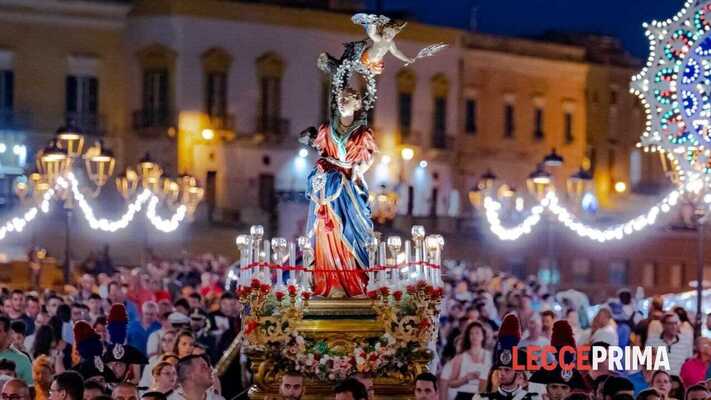
Festivals in Puglia: the most important events
The best way to learn about the traditions and culture of a place is through festivals: in Puglia these take place all year round, allowing both locals to rediscover their roots and tourists to taste typical products and traditional dishes venue in a cheerful and carefree context, suitable for making friends and spending a pleasant evening enlivened by music and folklore.
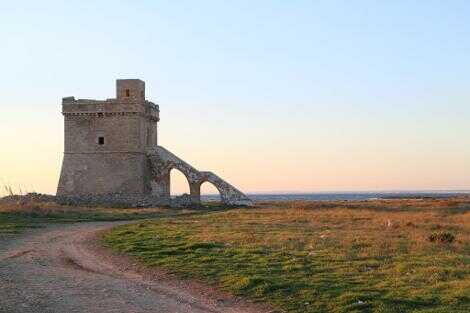
Coastal towers in Salento
The coastal towers scattered throughout Salento are some of the most important historical testimonies of the period in which the region represented the frontier of Europe, the bridge from the Western world to the East.
Primitivo Wine Tour
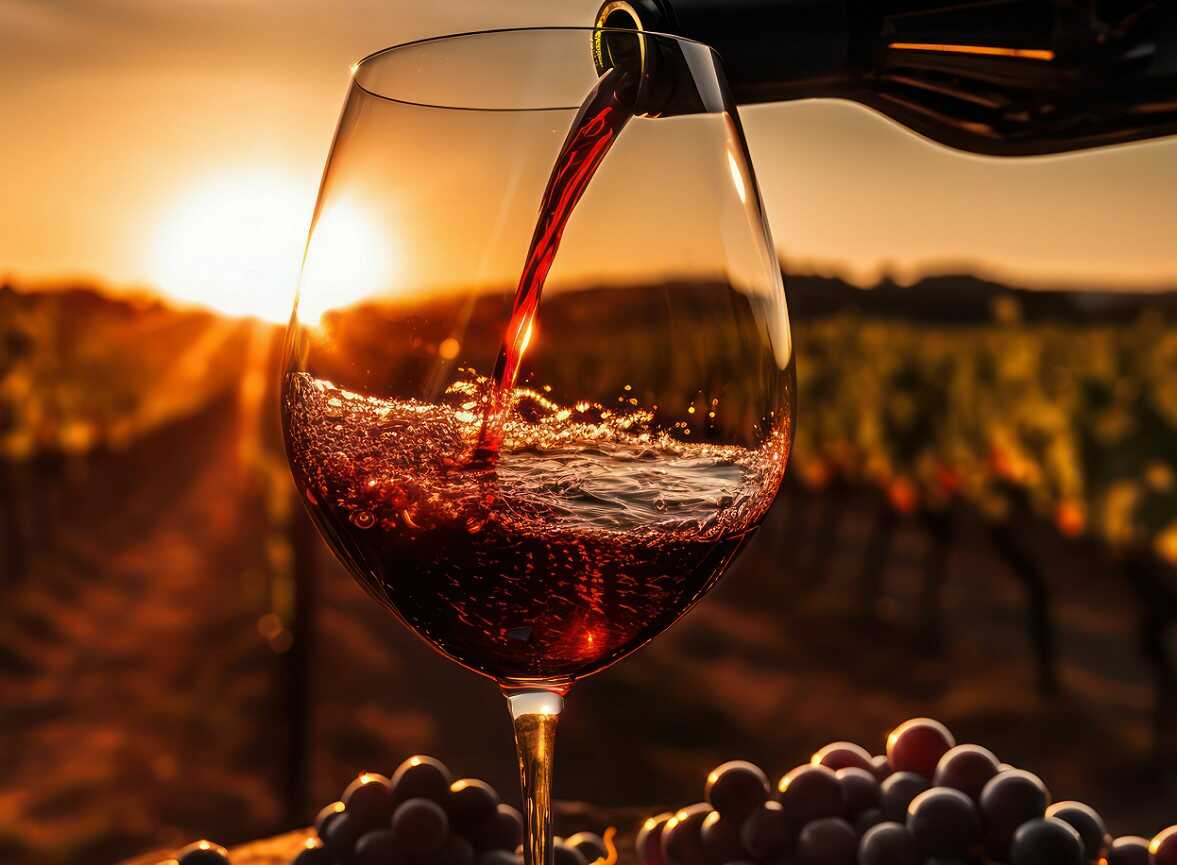
Manduria, also called “the City of Messapi and Primitivo” is a small town in the province of Taranto, famous throughout the world for the production of the renowned Primitivo di Manduria DOC wine, as well as for its Messapic origins. The great ability to introduce Primitivo into the markets of Italy and the world began […]
Brindisi
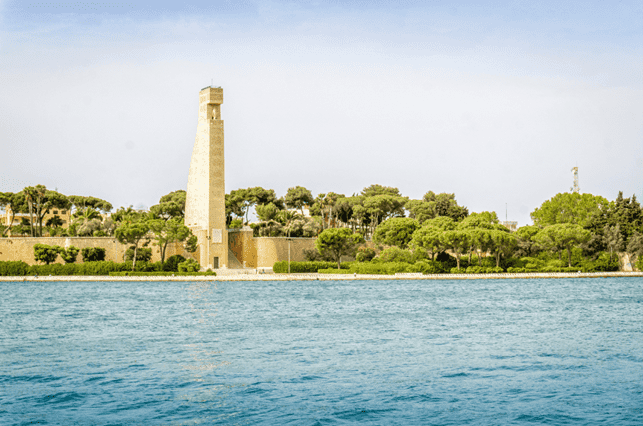
Brindisi, overlooking the Adriatic and embraced by the warm light of the South, is a city rich in history, charm and authenticity. Often considered only a point of arrival thanks to its port and airport, Brindisi deserves much more than a simple “passing through” stop. It is the ideal place to begin a journey to […]