





The “Liame” in Salento
The Salento “liame” are rural buildings, with a quadrangular or rectangular plan with a barrel vault. The perimeter walls of the liàme are built with dry stone, while the barrel vault roof is made of blocks of tufaceous stone.

Function of Salento “liame”
Built to serve as tool warehouses or temporary shelters, today transformed into second homes, into delightful hermitages for lovers of absolute peace and nature. These suggestive houses, typical of Salento and Puglia more generally, scattered throughout the countryside, date back to the year 1000, like the pajare (which instead have a circular plan). In the peasant culture that Salento has now left behind, they were the ideal environment for drying most of the fruits that this strip of land provided: from figs to broad beans, from almonds to walnuts, etc.
In fact, these constructions allowed a more spacious terrace than that of the trullo, for different uses, such as drying “the chips”, for which the term liama derives from their large terrace (in fact in the Salento dialect “liama” = terrace).
The roofs of these homes, evidence of ancient times, were often flat and plastered with a particular white mortar, as were the walls. These are simple and poor homes made with material easily available locally and were created with the aim of hosting farmers engaged in field work for short periods.
Construction techniques
Their original character is expressed through the technique and material used to build them. The stones found in the open countryside were arranged together without the use of mortar. The roof, as mentioned, was that of the barrel vault, created with blocks of tuff.
Final results?
A unique environment without windows, outside a small staircase to allow you to reach the roof. Houses with star or corner vaults are decidedly warmer in winter and cooler in summer. The credit goes to the stone and the particular shape of the ceiling which spreads the heat more uniformly, without dispersing it.
They are very frequent constructions in the area, both in the countryside and in the marinas of Peluse and Torre Pali.
Traveling through Salento it is still possible to find the traces left by the ancient peoples who made this corner of Italy an enchanting and unforgettable place. And while walking, you can’t help but stop to notice the endless, perfect and aligned buildings. A unique architectural style, a centuries-old construction technique, which has survived to this day thanks to the work of the ancient masters, custodians of tradition.
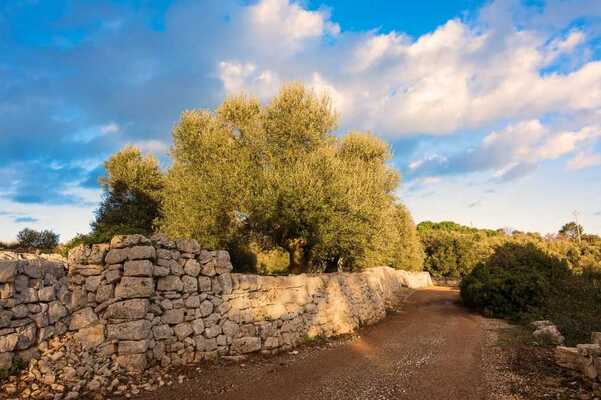
Dry stone walls in Puglia
Among the many peculiarities that characterize the Salento landscape and Puglia in general, there are undoubtedly the dry stone walls. These walls give all visitors one of the most authentic faces of Salento such that they immediately understand where they are. The creators of the "dry stone walls", who handed down this art form through the centuries, were certainly the descendants of the Messapians and the Neoliths.
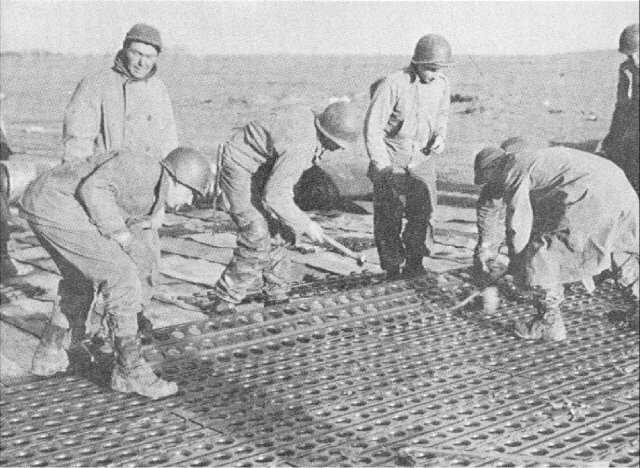
The Grelle in Puglia
The Grelle in Puglia were used during the Second War to create taxiways and landing strips for military aircraft.
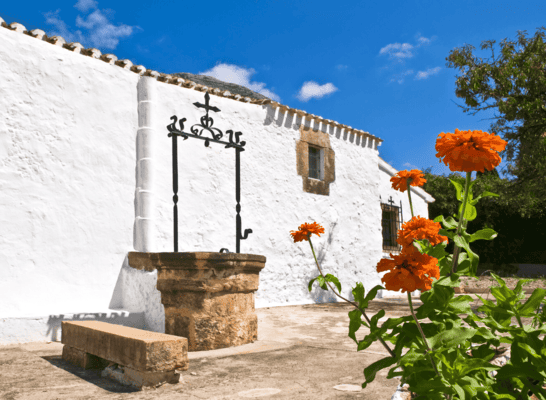
Courtyard houses in Salento
During your walks through the historic centers of Salento, you may come across houses with a particular architectural shape. The phenomenon of courtyard houses, born in 1500 in Salento, favored, in past times, the social cohesion of families thanks to its structural characteristics. The courtyard house is common throughout the Mediterranean area also for common […]
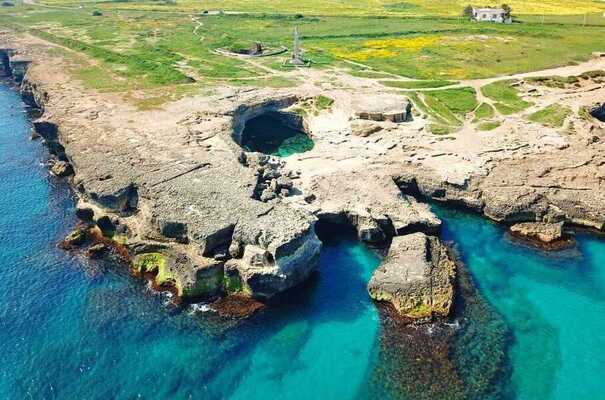
Salento Caves
Salento is a peninsula full of numerous and evocative caves scattered here and there, which can be visited mainly by sea. They all deserve to be visited for the colors or the particular shape of the rocks, creating a beautiful journey inside them, rich in history and nature. Even those who are passionate about trips, excursions and diving, here, can enjoy beautiful glimpses of rock full of niches and cliffs.
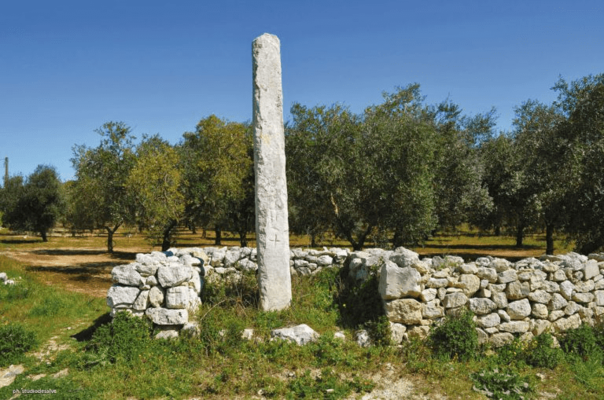
The Menhirs in Salento
Silent witnesses of the first expressions of human feeling, of a past that did not yet know the Messapic civilization, are the Menhirs scattered throughout Salento, whose origin and function remain shrouded in an aura of mystery. Erected starting from the Neolithic, the Menhir is a type of megalithic monument consisting of a monolithic column, […]
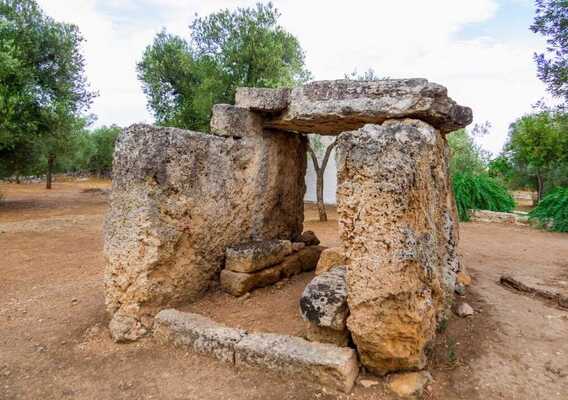
The Dolmens in Salento
It is difficult to explain the overwhelming love for this extraordinary place, a land made of landscapes, colors and mysteries: Salento which has very ancient, even prehistoric, roots. We start precisely from the 4th millennium BC. with the birth of the Dolmen in the Salento area.