





Hypogean oil mills in Salento
It’s in Presicce that we find the greatest number of hypogean oil mills in Salento dug into the stone, called trappeti. Here, there was an intense production of olive oil, the main economic source since ancient times. The oil mill or “trappeto” derives from the name that the ancient Romans gave to the machine for pressing olives to separate the stone from the pulp.

When they were born and how they worked
- Their birth can be dated to the 11th-13th centuries; the first were built on the Pozzomauro greenhouse. The typology of the traps in that area is simple, being dug into the tuff rock and with a dirt floor.
- Starting from the 19th century, the underground oil mills were gradually abandoned, above all due to industrial evolution, and replaced by semi-underground or elevated oil mills.
- Since the 1990s, some of them have become tourist destinations through some reclamations and renovations; public bodies and protection bodies have worked to recover these real finds.
Also called “green gold mines“, they have produced fine olive oil since ancient times, starting from the exclusive fruits of the centuries-old olive trees. The reason why the production took place in the rock is given by the fact that the economy and trade of oil took the place of that of wheat; furthermore, the underground environment ensured better conservation of the oil and kept it away from enemy eyes.
Team of workers who worked on the process of this precious good was called “ciurma” (crew) or also “trappitari“, who operated under the guidance of the supervisor called “nachiro“. The ciurma or trappitari worked for the entire period between November and May, living inside the oil mill, without ever leaving, except for the most important holidays.
A fundamental role was also played by animals; the latter were placed in the stables. In another room, the “sciave” (olive storage) were placed, before they were crushed by the wheel (turned by a blindfolded mule) and then pressed.
How were the hypogean oil mills in Salento structured?
Each oil mill is made up of organic and functional environments with notable aesthetic and architectural interest: storage areas, living rooms, work areas, kitchen areas, dormitories and the stable. The construction scheme was always the same; a staircase dug into the rock and covered with a barrel vault led to a large main room, where the grinding and pressing operations took place.

The grindstone rested on a circular platform of hard limestone; around this central part there were a series of small rooms including the rooms intended for the rest of the workers, the tool storage, the stable for the animals and the rooms for storing the oil.
These rooms had no direct light, except for one or two holes in the center of the main vault. In these environments the milling work was very long; it ran from November until after Easter.
But why were the oil mills underground?
The most commonly known reason why the oil mill dug into the stone was preferred to the one built on the ground floor was the need for heat. The oil becomes solid around 6°C. Therefore, in order to simplify its extraction, it is advisable that the environment in which the pressing takes place is warm and constant. This could only be ensured in an underground environment heated by lights lit day and night, by the fermentation of olives and above all by the heat produced by the toil of men and animals.
In addition to this, the economic reasons should not be underestimated; the cost of labor to obtain an excavated environment was relatively modest because it did not require the construction work of specialized personnel, but only arm strength, not involving purchase and transport costs of the construction material.
Role of hypogean oil mills in Salento today
The presence of the trappeti in the various centers of Salento is historical.
- In Gallipoli, housed in the basement of Palazzo Granafei in the historic centre, the 1600 oil mill can be visited.
- In Noha near Galatina, in front of the castle door there is the Casale oil mill; a 300m2 space that houses a seat carved into the rock with a vault covered in stalactites.
- But Presicce holds the record thanks to the high number of underground oil mills created between the 18th and 19th centuries. Over 30 underground oil mills, hidden under the main square, produced oil exported to all European markets.
The underground oil mills in Salento are evidence of a thousand-year-old civilization as well as representing an important part of the economic and social culture of the area.
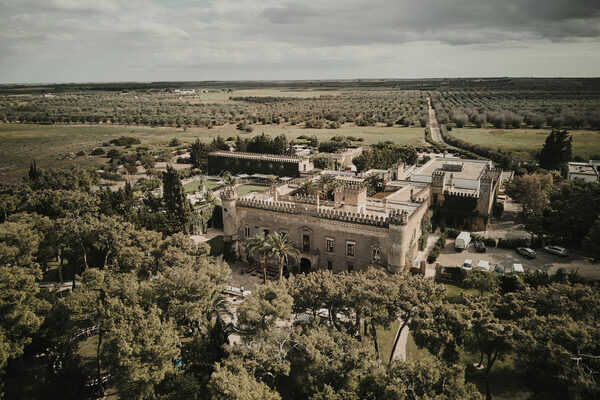
Castello Monaci
Located in the Salento hinterland, in the area between San Pancrazio and Salice Salentino, Castello Monaci is one of the most fascinating gems of Puglia, a region famous for its winemaking traditions and the beauty of its landscape. Castello Monaci is a place where history, culture and a passion for wine intertwine in a unique […]
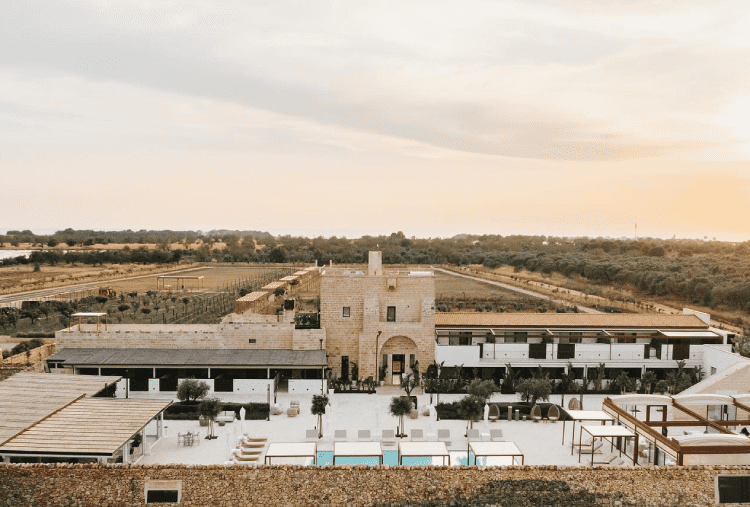
Masserie (farmhouses) of Porto Cesareo
Porto Cesareo, with its crystal clear waters and enchanting beaches, is one of the most popular destinations in Puglia. But the beauty of this corner of paradise is not limited to the sea: in its surroundings, among the countryside surrounding the town, authentic masserie are hidden, places that tell the story and agricultural traditions of […]
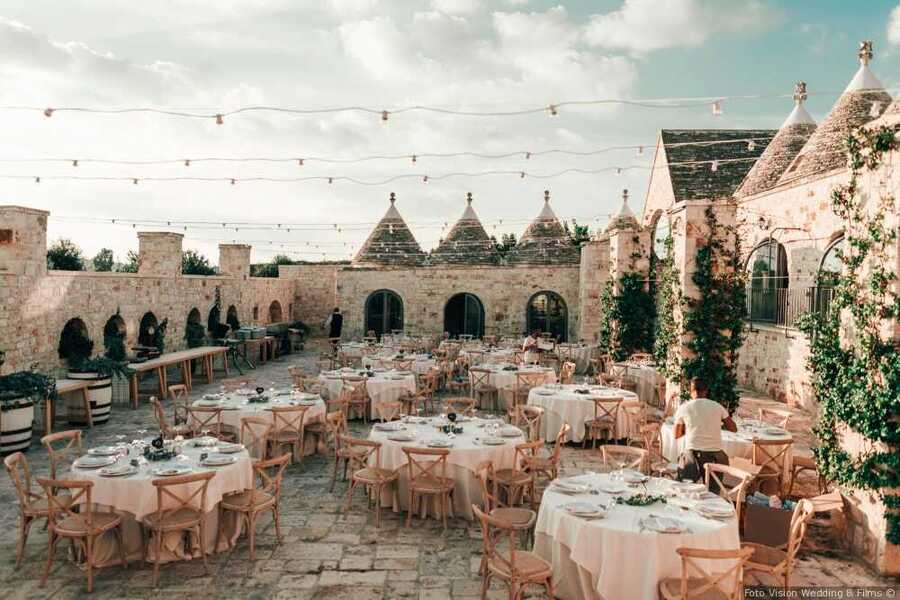
Masserie in Ostuni
Puglia is one of the most fascinating and diverse regions of Italy, and Ostuni, with its splendid landscape and timeless charm, represents an unmissable point of reference. Among the wonders that this land has to offer, the masserie are undoubtedly one of the distinctive elements of the territory. Staying in a masseria means immersing yourself […]
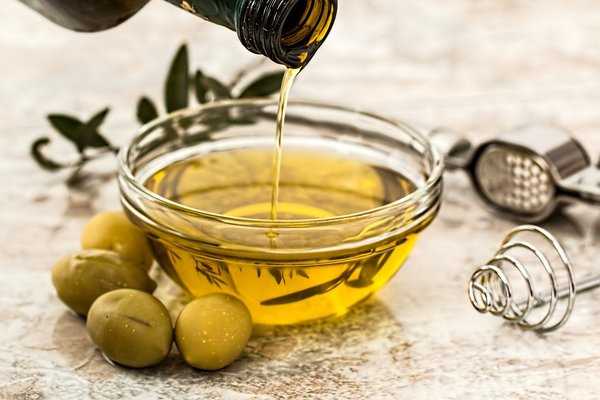
Apulian extravirgin olive oil: excellence made in Puglia
Extra virgin olive oil is a real pride for Puglia, well known in Italy and in the rest of the world as a truly exceptional product that manages to enhance and enrich any dish but is also delicious enjoyed with a simple slice of bread.
Salento Street Food
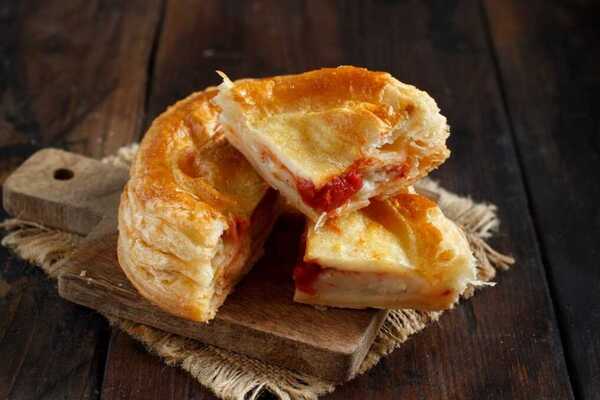
There are places where festivals and opportunities to combine sociality with music, dance and good food alternate throughout the year. Salento is one of these places and precisely because of a strong presence of outdoor parties and opportunities to share in “squares” and public places, the tradition of street food is very strong and present. […]
Olive Oil tasting Puglia
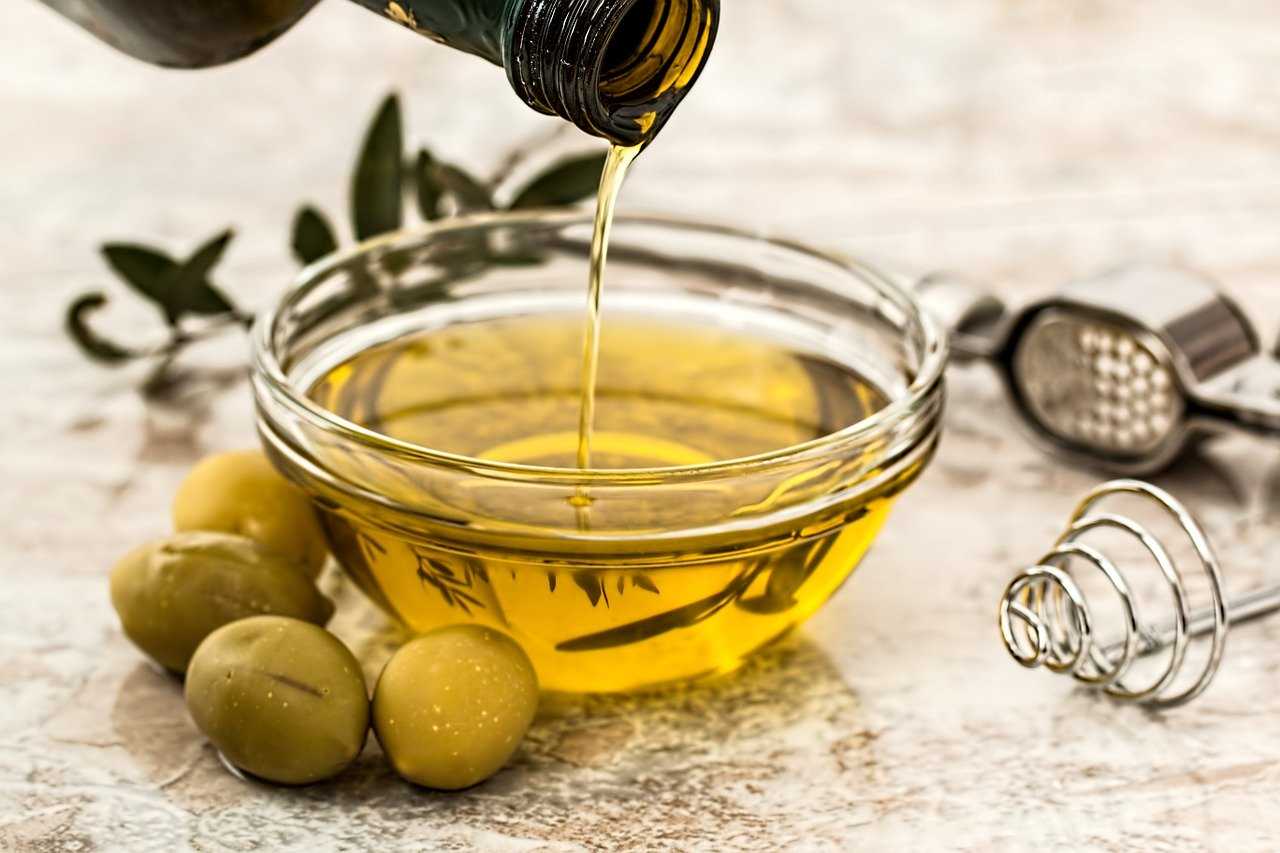
For centuries, Apulian extra virgin olive oil has been one of the most famous gastronomic products in the world. Oil is a fundamental product for the agricultural production of Puglia, since the olive tree is able to offer the so-called “Apulian green gold”. The tasting of extra virgin olive oil in the Puglia region is […]